
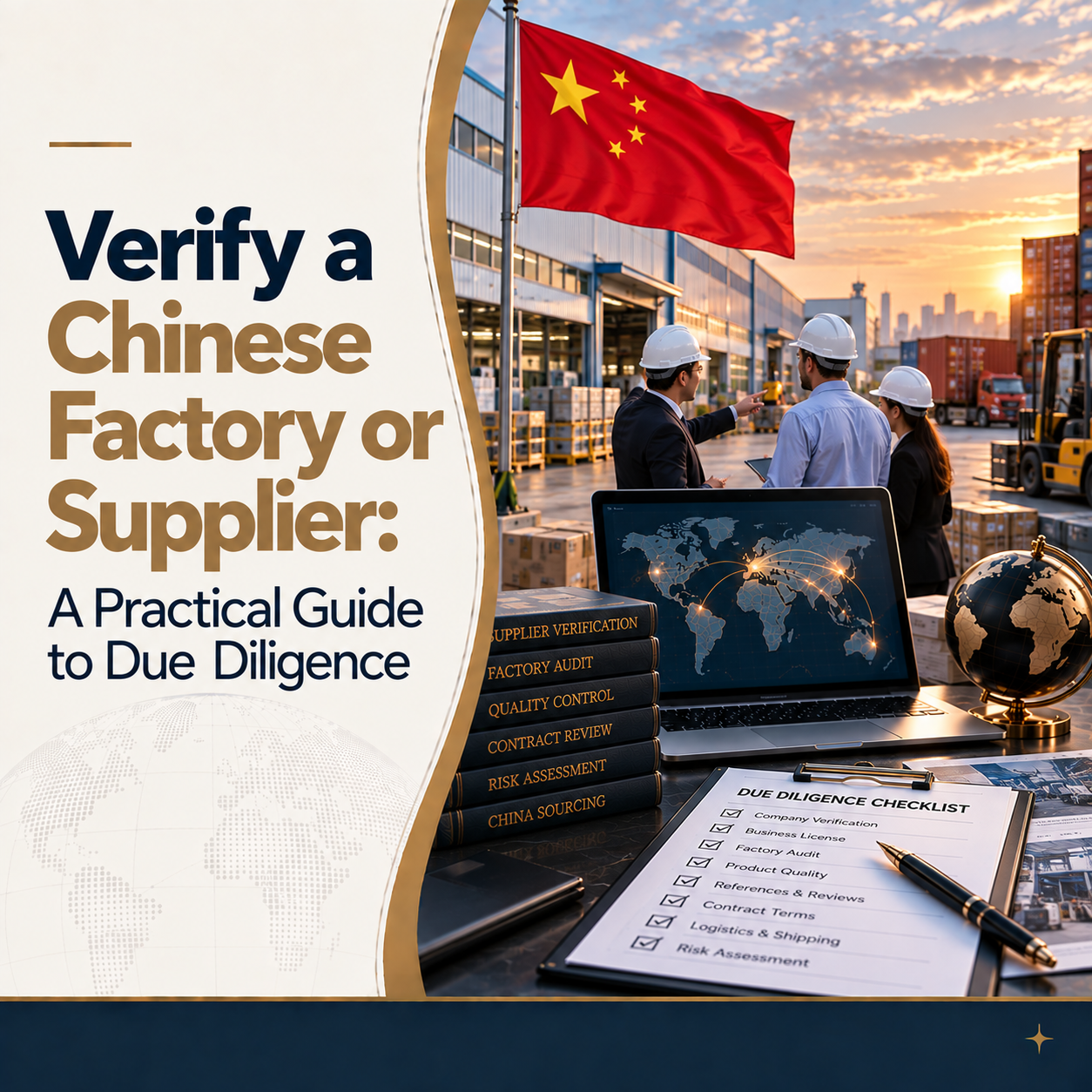
How to Verify a Chinese Factory or Supplier
To verify a Chinese factory or supplier, businesses should examine the company's legal identity, production capabilities, certifications, product quality, and commercial history before placing a significant order. Proper verification can reduce the risk of fraud, poor-quality products, delays, and costly disputes.
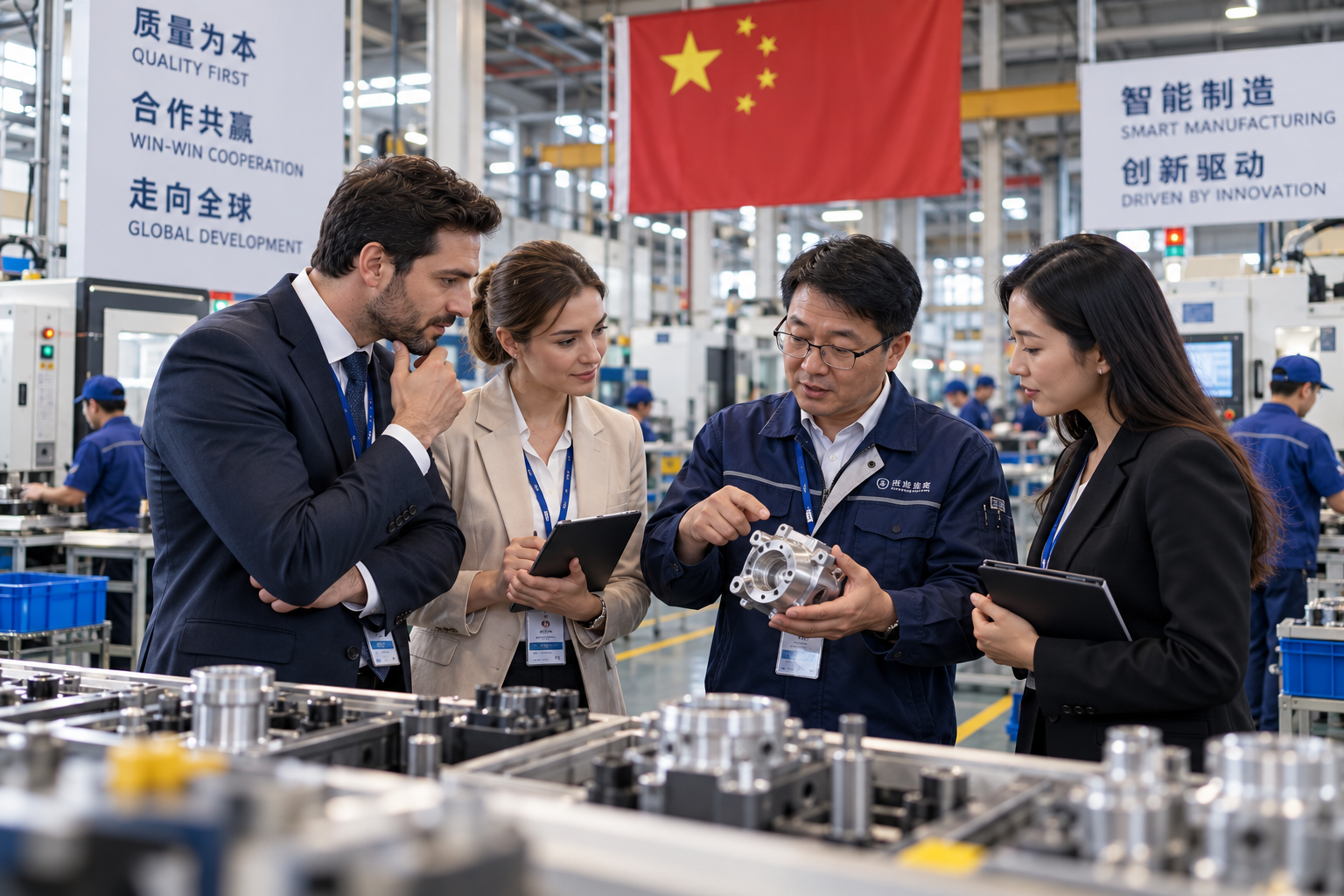
1. Check the Company's Legal Information
Start by confirming that the company actually exists and is legally registered.
Request and verify:
Registered company name
Business registration details
Registered address
Business license
Contact information
Company representatives
Make sure the legal entity on the documentation matches the company receiving your payment.
2. Confirm Whether It Is a Factory or Trading Company
Not every supplier presenting itself as a manufacturer actually owns a factory.
Ask about:
Factory location
Production facilities
Number of employees
Main production lines
Manufacturing capabilities
Outsourced production
A trading company is not necessarily unreliable, but you should know exactly who is manufacturing your products and who is responsible for quality.
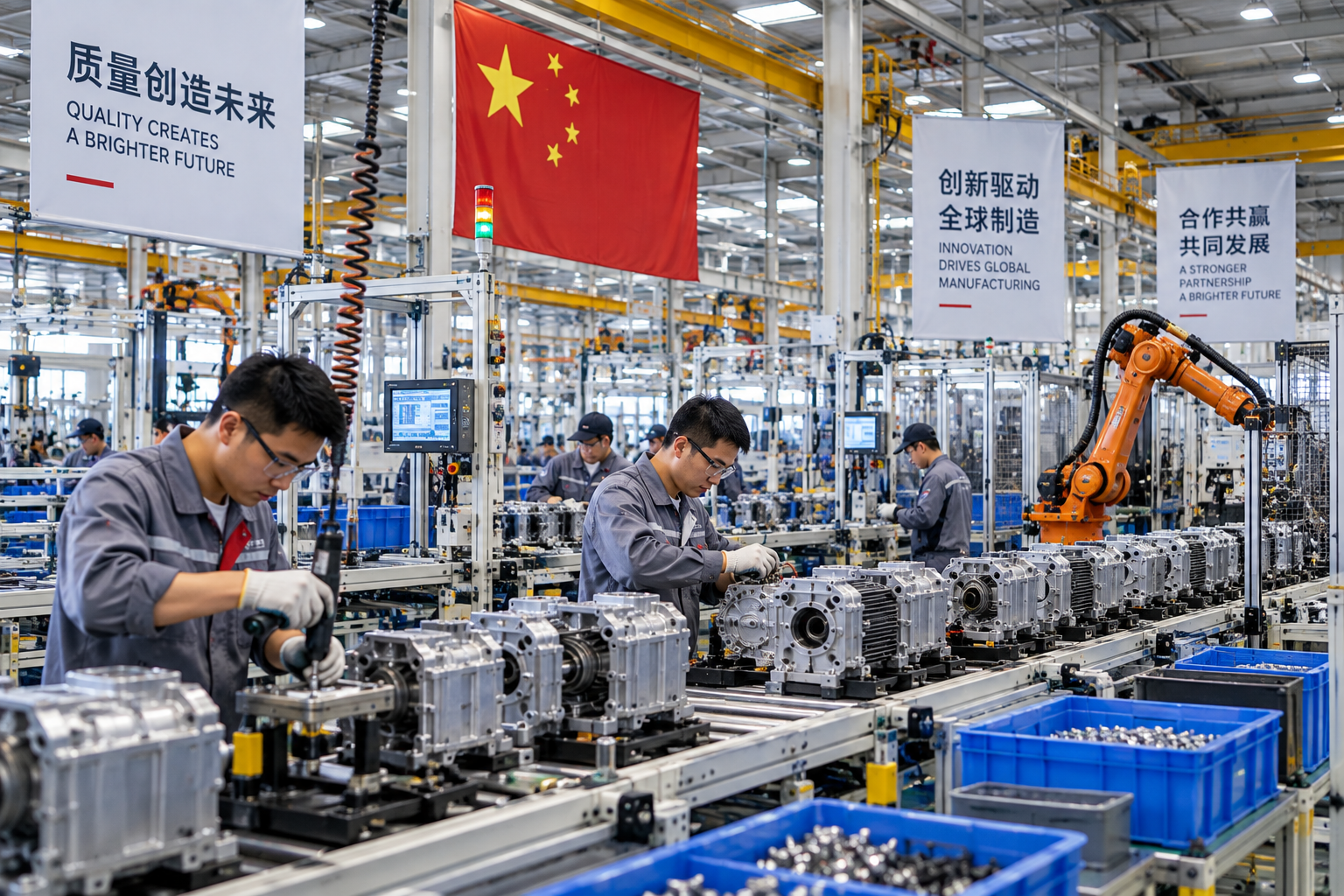
3. Review Certifications and Technical Documents
Depending on the product and destination market, request relevant certifications, test reports, and technical documentation.
Check whether certificates:
Match the actual supplier
Apply to the specific product
Are current
Come from a legitimate certification or testing organization
Do not rely solely on logos or certificates shown on a supplier's website.
4. Request Samples and Test Product Quality
Before placing a large order, request product samples whenever practical.
Compare the samples with your required specifications, including:
Materials
Dimensions
Performance
Packaging
Finish
Safety requirements
For technical or high-value products, independent laboratory testing or professional inspection may be appropriate.
5. Conduct a Factory Audit
A factory audit can provide more detailed information about the supplier's operations.
An audit may examine:
Production capacity
Quality-control procedures
Machinery
Storage facilities
Workforce
Production records
Workplace conditions
If visiting China is not practical, an independent inspection company can conduct an on-site assessment.
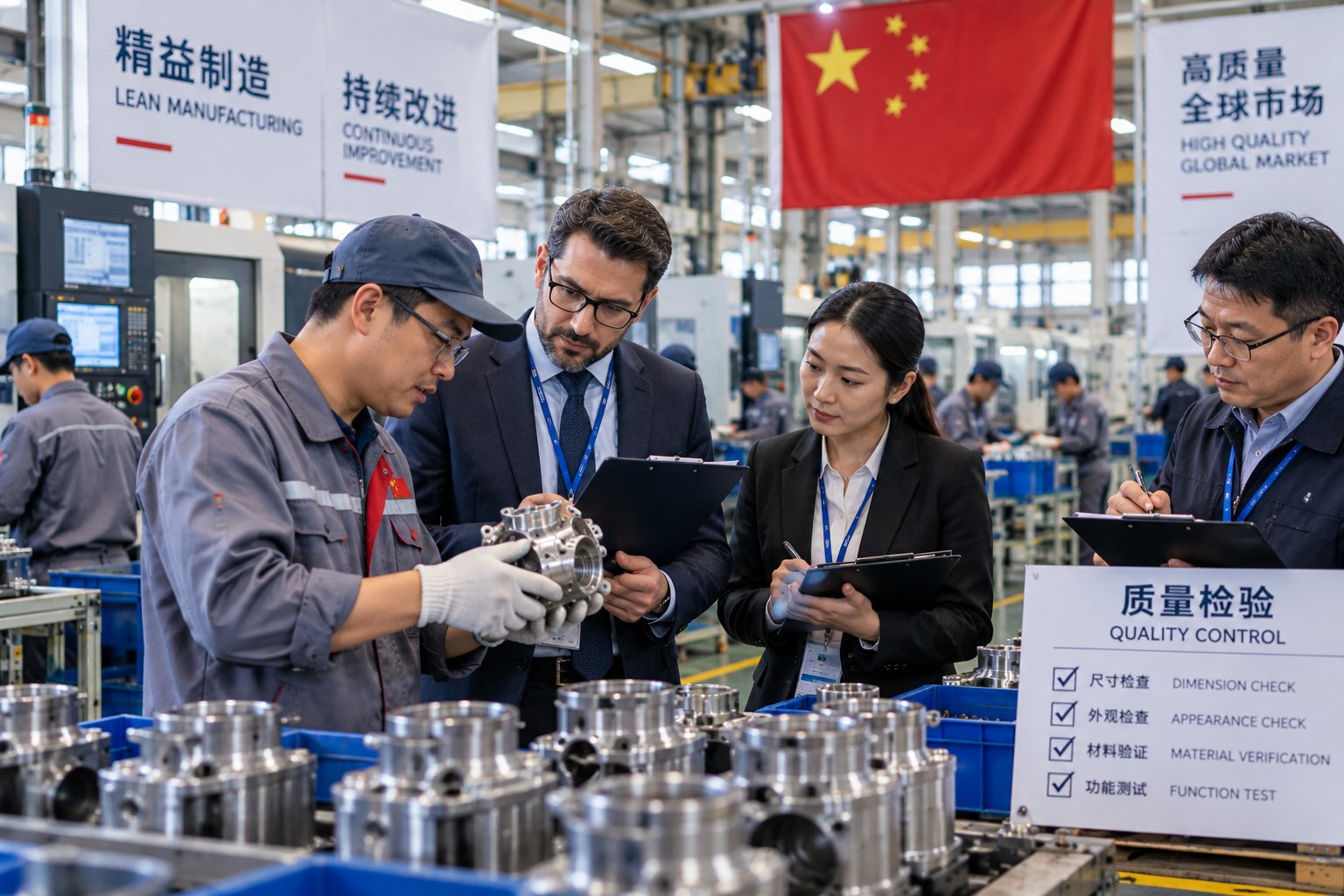
6. Check References and Business History
Ask the supplier for customer references or examples of previous international projects.
You can evaluate:
Years in business
Export experience
Main markets
Customer feedback
Previous projects
Ability to meet deadlines
Be cautious if a supplier refuses to provide basic company information or gives inconsistent answers.
7. Verify Payment and Contract Details
Supplier verification should also include the commercial side of the relationship.
Before payment, confirm that:
The contract identifies the correct legal entity
Bank account information is consistent with the company
Product specifications are clearly documented
Delivery conditions are defined
Warranty terms are included
Inspection procedures are agreed
Avoid making substantial payments based only on informal conversations.
Build Safer Supplier Relationships With Capella Austria
Verifying a Chinese factory or supplier is an important part of international procurement. Combining company verification, factory inspection, product testing, and clear contracts can help businesses make more informed purchasing decisions.
Capella Austria can support businesses with international sourcing, supplier research, verification, and purchasing coordination, helping companies build more reliable cross-border supply relationships.
Frequently Asked Questions
How can I verify a Chinese supplier?
Check its legal registration, business license, address, certifications, production capabilities, references, and commercial documentation.
How do I know if a Chinese supplier is a real factory?
Request factory information, production details, photographs, videos, and an on-site factory audit when appropriate.
Should I visit the factory?
For high-value or long-term partnerships, a factory visit or independent audit can provide valuable verification.
Can a trading company be reliable?
Yes. Trading companies can be legitimate suppliers, but buyers should understand whether they manufacture products themselves or source them from other factories.
Should I request samples?
Yes. Samples help verify whether the supplier can meet your required quality and technical specifications.
How important are certifications?
Certifications can be important, but they should be independently checked to confirm their validity and relevance to the specific product.
What is a factory audit?
A factory audit is an assessment of a supplier's facilities, production processes, quality systems, and operational capabilities.
How can I reduce payment risks?
Use a clear contract, verify the legal entity and bank details, and consider appropriate payment and inspection arrangements.
What are common warning signs?
Inconsistent company information, refusal to provide documentation, unusual payment requests, unclear product specifications, and unwillingness to allow verification can require additional investigation.
Can Capella Austria help verify Chinese suppliers?
Yes. Capella Austria can assist businesses with supplier research, verification, sourcing, and international purchasing coordination.