
How to Find a Reliable Supplier in Europe
Finding a reliable European supplier is essential for businesses seeking quality products, competitive prices, and stable international partnerships. The right supplier can improve product quality, reduce purchasing risks, and support long-term business growth.
However, choosing a supplier requires more than comparing prices. Companies should evaluate credibility, product standards, communication, delivery capabilities, and commercial terms.

1. Define Your Product Requirements
Before searching for suppliers, clearly determine what your business needs. Consider:
Product specifications and quality standards
Required quantity and order frequency
Target budget
Delivery location and timeline
Required certifications
Packaging and labeling requirements
Clear requirements help you identify suitable suppliers and receive accurate quotations.
2. Search Through Reliable Sources
European suppliers can be found through several professional channels, including:
Official manufacturer websites
B2B platforms
European trade fairs
Industry associations
Business directories
Professional sourcing agencies
When possible, contact manufacturers directly. Verify that the company has a physical business presence and experience in international trade.

3. Verify Supplier Credibility
Supplier verification helps protect your business from fraud, poor-quality products, and delivery problems.
Request and review:
Company registration information
Business address and contact details
Product catalogs and technical documents
Customer references
Certifications and compliance documents
Export experience
You can also check independent reviews and request a video meeting or factory visit when practical.
4. Evaluate Product Quality
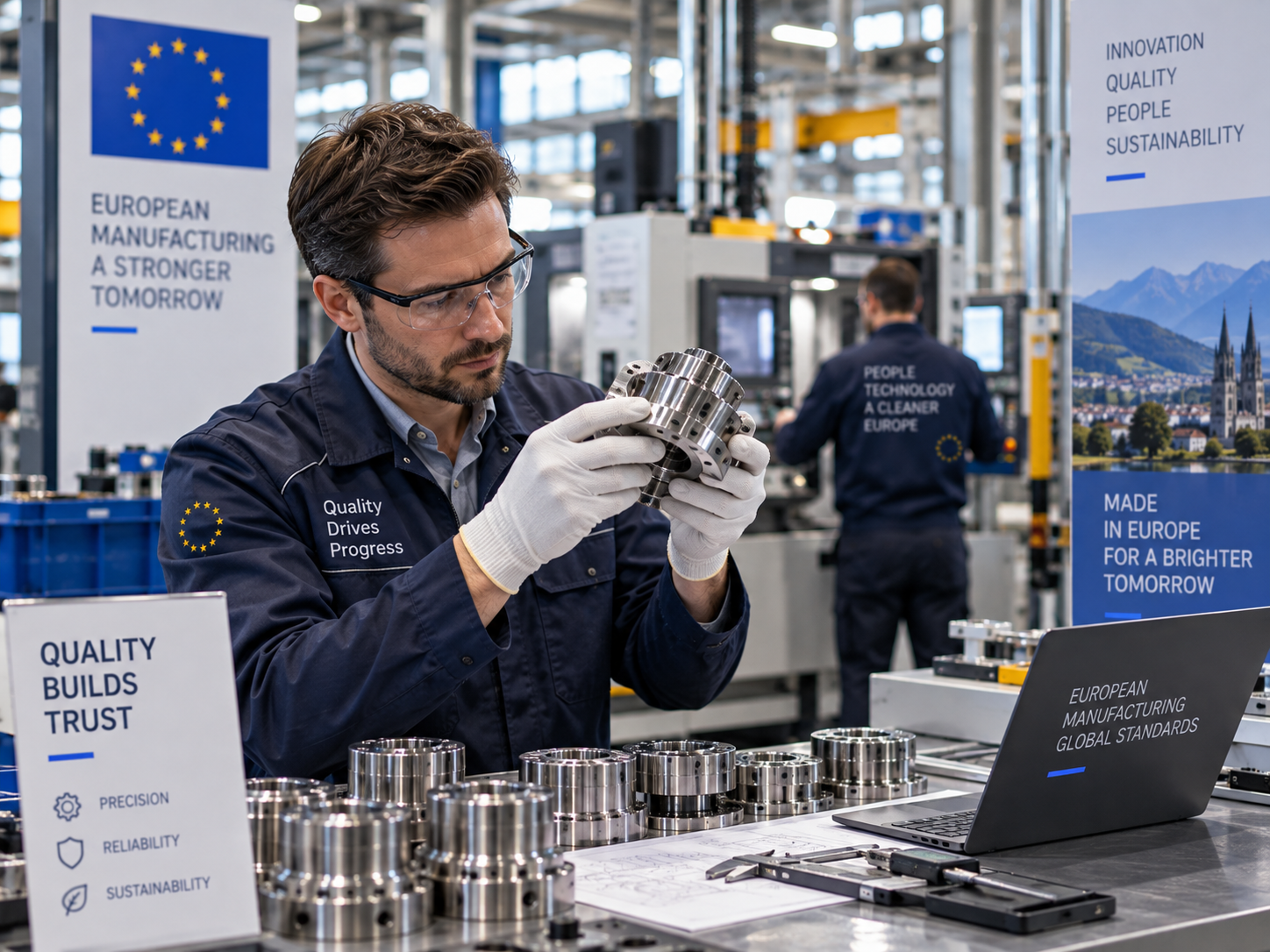
A supplier’s reputation should be supported by consistent product quality. Ask for product samples, test reports, or inspection documents before placing a large order.
For technical products and industrial equipment, confirm that the goods meet the required European and destination-country standards.
An independent inspection can be valuable for high-volume or high-value purchases.
5. Compare Prices and Commercial Terms
Price is important, but it should not be the only selection criterion. Compare the complete purchasing cost, including:
Product price
Transportation and insurance
Customs duties and taxes
Payment fees
Packaging costs
Warranty and maintenance
Also review payment conditions, minimum order quantities, delivery schedules, and applicable Incoterms.
6. Assess Communication and Reliability
Effective communication is essential for international cooperation. A dependable supplier should respond clearly, provide accurate information, and communicate potential delays promptly.
Evaluate whether the supplier:
Answers questions professionally
Provides complete documentation
Meets agreed deadlines
Offers technical support
Handles complaints responsibly
A small initial order can help you assess performance before establishing a long-term relationship.
7. Start With a Controlled Partnership
Avoid immediately committing to large purchases without testing the supplier. Begin with a sample order or limited shipment to evaluate:
Product quality
Delivery accuracy
Packaging
Documentation
Customer service
After reviewing the results, you can negotiate a longer-term agreement with clearer expectations and responsibilities.
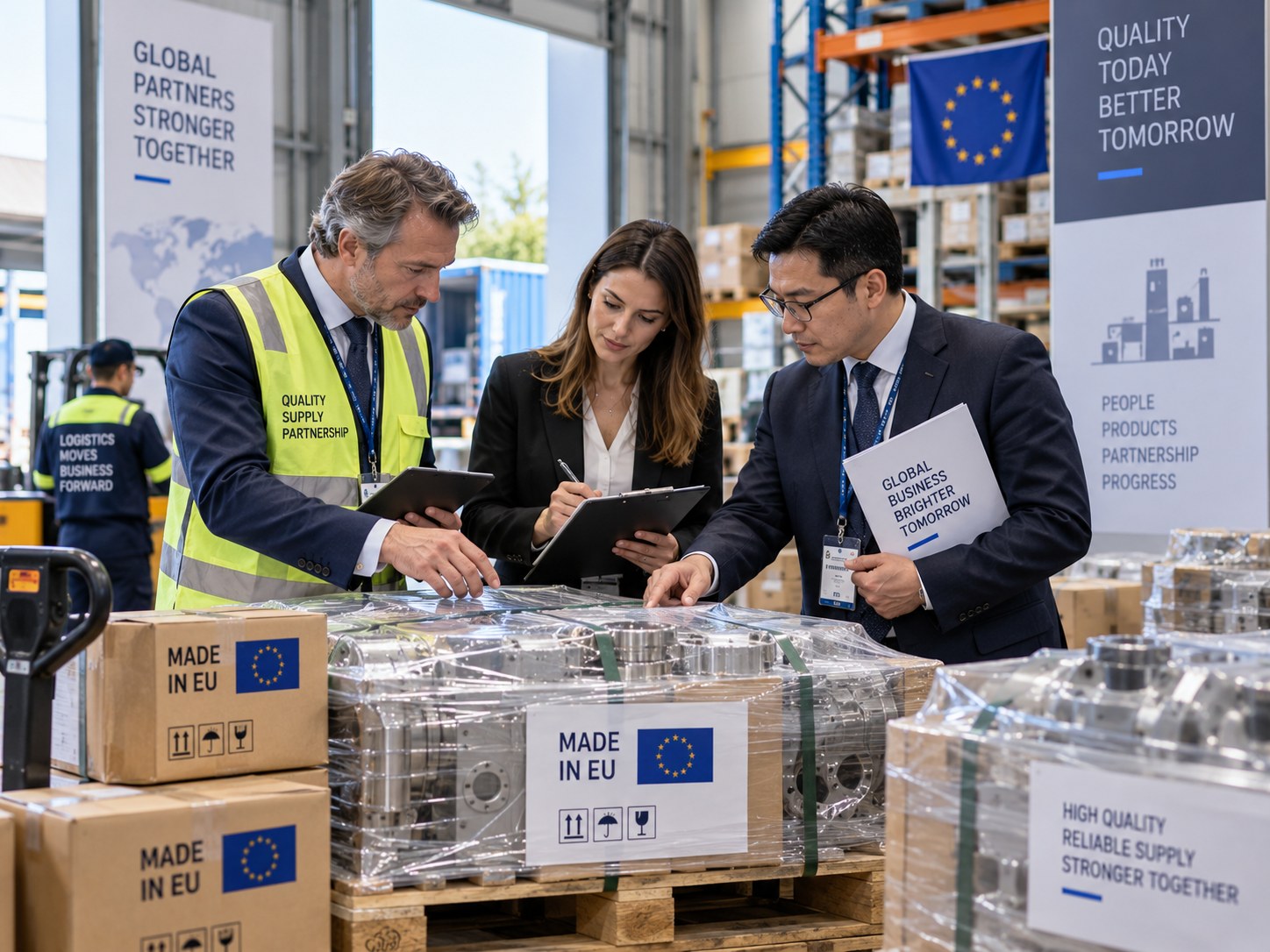
Find Reliable European Suppliers With Capella Austria
Finding a reliable European supplier requires research, verification, and professional coordination. Capella Austria supports businesses in identifying suitable European companies, evaluating potential partners, and facilitating international sourcing.
With a structured supplier-selection process, businesses can reduce risks, improve purchasing efficiency, and build stronger commercial relationships across European markets.
Frequently Asked Questions
How can I find reliable suppliers in Europe?
Use manufacturer websites, trade fairs, industry associations, B2B platforms, and professional sourcing services.
How do I verify a European company?
Check company registration, business address, certifications, references, and international trading experience.
Should I request product samples?
Yes. Samples help you evaluate product quality and confirm whether the supplier meets your requirements.
Is the cheapest supplier the best option?
Not necessarily. Consider quality, delivery reliability, warranty, and total purchasing costs.
How can I avoid supplier fraud?
Verify company details, use secure payment methods, request documentation, and begin with a small order.
What documents should suppliers provide?
Depending on the product, documents may include invoices, certifications, technical specifications, and compliance declarations.
How important is communication?
Clear and timely communication helps prevent misunderstandings, delays, and contractual disputes.
Can I visit a European supplier?
Yes. A factory or office visit can help verify business operations and production capabilities.
Should I sign a supplier agreement?
A written agreement should define product specifications, prices, delivery terms, warranties, and responsibilities.
Can Capella Austria help find suppliers?
Yes. Capella Austria can assist businesses with European supplier research and international sourcing coordination.