
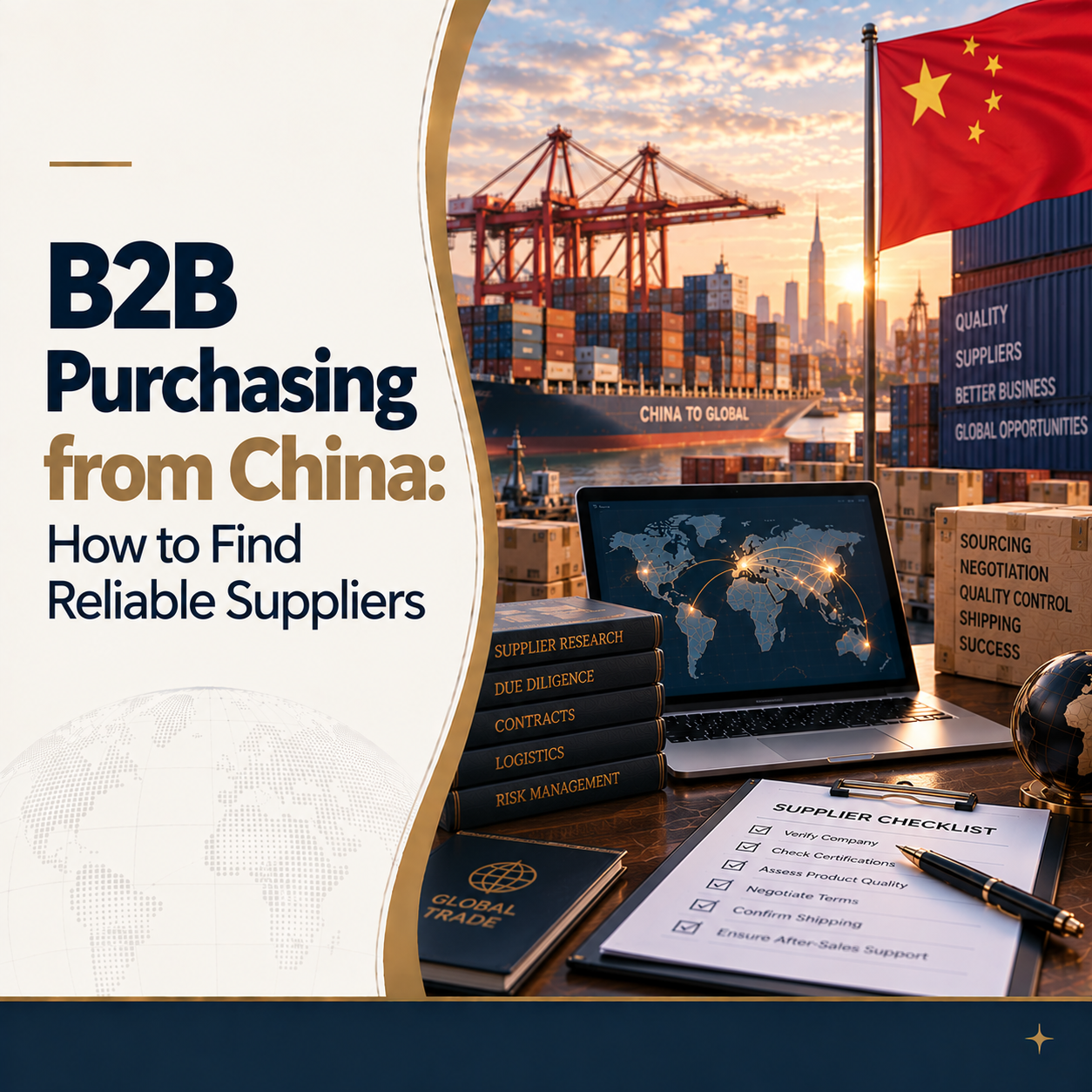
How to Start B2B Purchasing from China
B2B purchasing from China can give businesses access to competitive prices, large manufacturing capacity, and a wide range of products. However, successful sourcing requires careful supplier selection, quality control, cost analysis, and efficient logistics.
For companies purchasing products or equipment from China, starting with a structured process can significantly reduce commercial and operational risks.
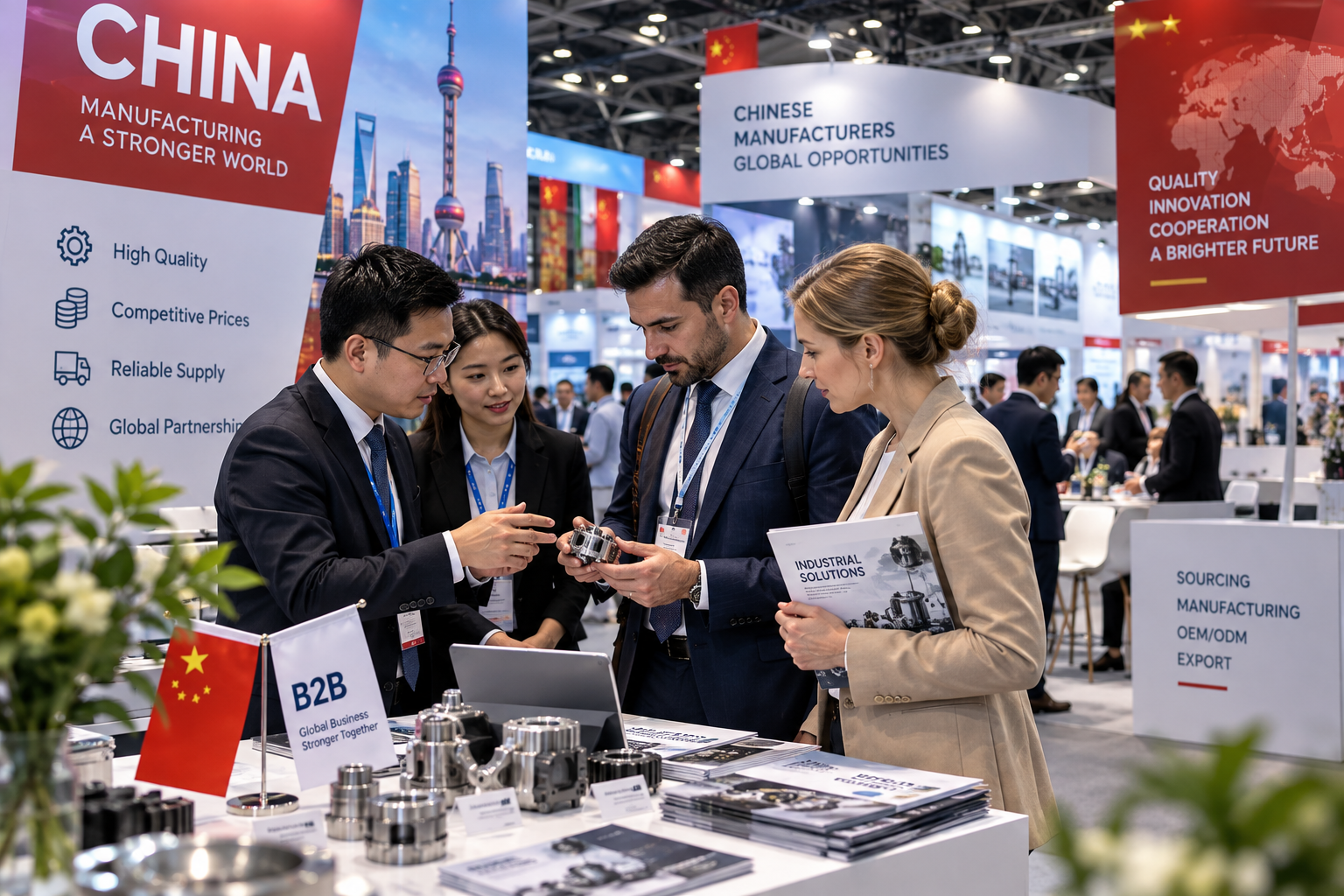
1. Define What You Need
Before contacting suppliers, clearly establish your requirements. Define:
Product specifications
Required quantity
Quality standards
Target price
Packaging requirements
Delivery location
Expected delivery time
Detailed specifications make it easier to compare quotations from different suppliers.
2. Find Potential Chinese Suppliers
You can search for suppliers through B2B marketplaces, trade fairs, industry directories, manufacturer websites, and professional sourcing companies.
Do not rely only on product listings. Confirm whether the supplier is an actual manufacturer, trading company, or distributor.
[Suggested Image: Chinese manufacturing facility with production lines]
3. Verify the Supplier
Supplier verification is one of the most important steps in B2B purchasing.
Check:
Company registration
Factory or office address
Export experience
Product certifications
Customer references
Production capabilities
Communication quality
For significant orders, consider a third-party factory audit or inspection before making a large payment.
4. Request Samples and Check Quality
Never assume that a product will match its online description. Request samples before committing to a large order whenever possible.
For industrial products, machinery, or technical components, review specifications, materials, performance, certifications, and testing documents.
A pre-shipment inspection can also help identify defects before the goods leave China.
[Suggested Image: Quality inspector checking products before international shipment]
5. Compare the Total Cost
The supplier's quoted price is only one part of the final cost. Consider:
Cost | Examples |
|---|---|
Product | Unit price and quantity |
Shipping | Sea, air, rail, or courier |
Customs | Duties, taxes, and clearance |
Inspection | Quality or factory inspection |
Packaging | Export packaging and labeling |
Payment | Banking and currency costs |
Comparing the total landed cost provides a more accurate basis for purchasing decisions.
6. Agree on Payment and Delivery Terms
Before placing an order, clarify payment conditions, production time, shipping responsibilities, warranties, and applicable Incoterms.
The contract should clearly define product specifications, quantities, prices, delivery dates, inspection procedures, and what happens if products are defective or delayed.
7. Start Small and Scale Gradually
If you are working with a supplier for the first time, consider starting with a smaller order.
This allows you to evaluate:
Product quality
Delivery performance
Packaging
Documentation
Communication
After-sales service
Once the supplier demonstrates consistent performance, larger and longer-term orders can be considered.
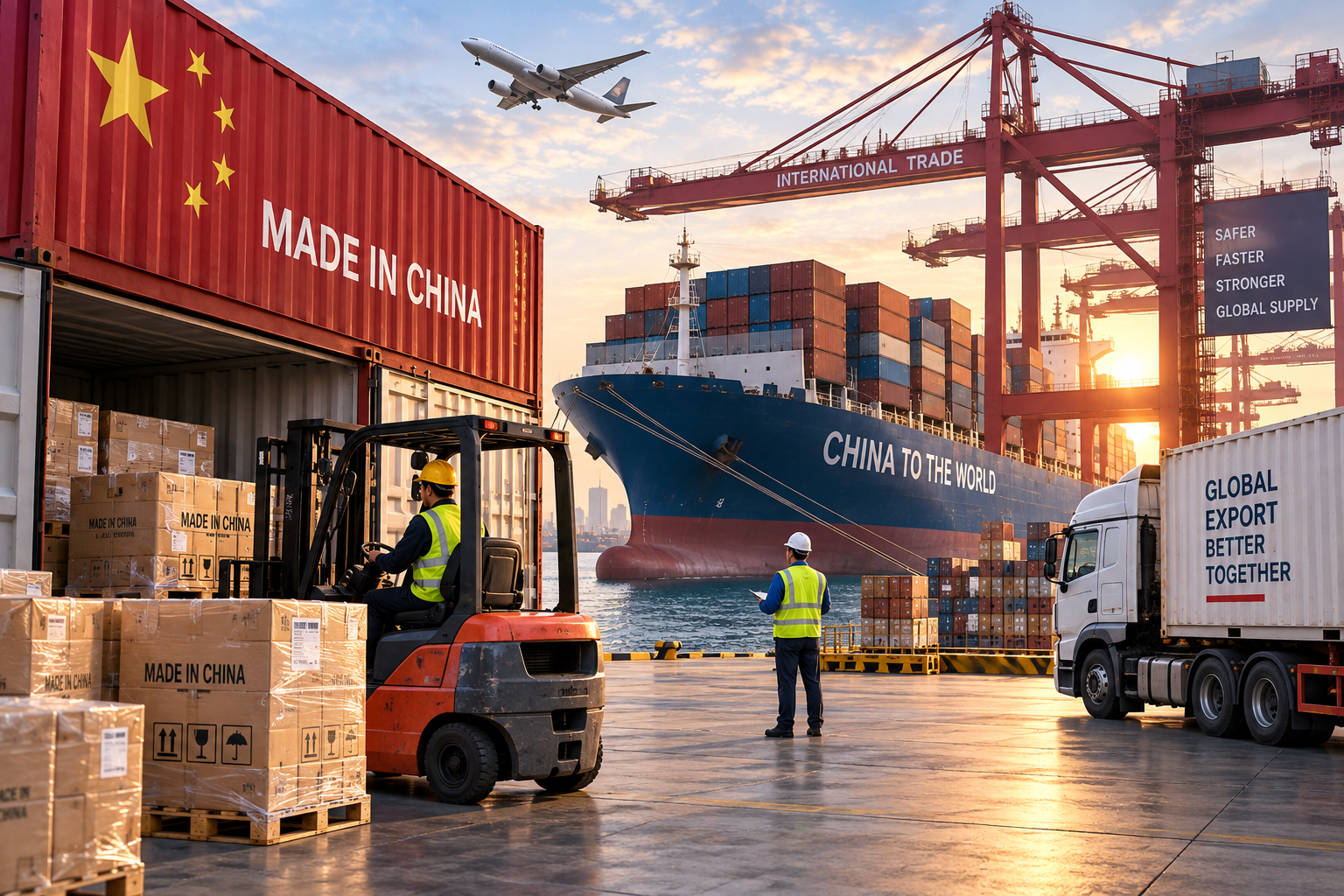
Start B2B Purchasing from China With Professional Support
Successful sourcing from China requires more than finding a low-cost supplier. Businesses need reliable verification, quality control, transparent commercial terms, and well-organized logistics.
Capella Austria can support companies with international sourcing, supplier identification, purchasing coordination, and cross-border trade processes, helping businesses approach Chinese procurement with greater structure and confidence.
Frequently Asked Questions
Is B2B purchasing from China suitable for small businesses?
Yes. Small businesses can purchase from China, but order quantities, shipping costs, and supplier minimums should be carefully evaluated.
How do I find a reliable Chinese supplier?
Use established B2B platforms, trade fairs, manufacturer websites, and professional sourcing services, then verify the supplier independently.
Should I order samples first?
Yes. Samples provide an opportunity to check quality before committing to a larger order.
How can I verify a Chinese manufacturer?
Review registration details, factory information, certifications, references, production capabilities, and independent inspection reports.
What is the safest payment method?
The appropriate method depends on the transaction and supplier relationship. Use documented commercial agreements and secure, traceable payment channels.
How do I calculate the real cost?
Include product price, shipping, insurance, customs duties, taxes, inspection, handling, and other import expenses.
Do Chinese products require quality inspection?
For many B2B purchases, especially high-value orders, independent inspection can reduce the risk of receiving products that do not meet specifications.
How long does shipping from China take?
Transit times vary according to the shipping method, destination, port conditions, and customs procedures.
Can I negotiate with Chinese suppliers?
Yes. Businesses commonly negotiate price, quantity, specifications, payment terms, packaging, and delivery conditions.
Can Capella Austria help with China sourcing?
Yes. Capella Austria can assist businesses with supplier research, purchasing coordination, and international sourcing processes.